
How to Buy Property in Albania as a Foreigner
1. Can foreigners buy property in Albania?
This is the first question every foreign investor asks.
And it makes total sense.
When you invest abroad, you want to be 100% sure the asset is legally yours.
But conflicting advice online gets confusing fast.
Here is the short answer.
Yes, foreigners can legally buy property in Albania.
The market is wide open, and the law actively protects international buyers.
But there is a catch.
There are three specific restrictions that catch buyers off guard.
Buy the wrong type of land, and your transaction will be instantly blocked.
Keep reading to see exactly what you can buy and what you must avoid.
Transfer tax for buyers
Albanian law places all transfer tax on the seller. You pay zero at closing. Elsewhere in Europe, this tax alone can cost you tens of thousands.
Coastal entry price
A sea-view apartment on the Albanian Riviera starts at €40,000. The same view across the Ionian Sea in Corfu starts at four times that price.
Average time to close
From signed reservation to a registered title deed in your name. No delays, no long chains. Albania completes what takes other countries months.
Minimum investment for residency
Buy any property at any price and the path to Albanian permanent residency opens. Portugal charges €500,000 for the same right through its Golden Visa.
Data based on 2026 market figures and current Albanian law. Transfer tax figures refer to buyer-side obligations only.
The Legal Basis
The rules are defined directly in the Albanian Civil Code.
Specifically, Law No. 7850 gives foreign individuals the exact same property rights as local citizens.
You get the same title deed. You get the same legal protections.
This is huge.
It means you can buy an apartment in Tirana or a villa on the coast without jumping through endless legal hoops.
Your Nationality Does Not Matter
Let me clear up a common myth right now.
Your passport does not restrict your ability to invest here.
American, Canadian, and EU citizens all follow the exact same straightforward process.
What about UK buyers?
After Brexit, many British investors worried their buying rights would change.
They did not.
The rules stayed exactly the same for UK citizens.
The notary does not care where you are from. They only care that your documents are valid and your funds are clean.
The 3 Restrictions You Must Know
Most residential and commercial properties are completely open to you.
But there are three specific restrictions you need to avoid.
1. Agricultural Land
Foreigners cannot directly own agricultural land in Albania.
This is a hard rule. You cannot buy a farm or a vineyard in your own name.
But there is a simple workaround.
You can legally bypass this restriction by registering a local Albanian Limited Liability Company.
Once your business is formed, that entity can legally purchase farmland.
We handle business formation here at Consul, so we help foreign investors use this exact strategy to secure rural land safely.
2. Border Zone Land
Property located near state borders requires special government approval.
This rarely affects standard buyers.
If you are looking for an apartment in the city or a beach villa in Vlora, you will not face this issue.
It only applies if you are buying remote plots right against the borders of Greece or Montenegro.
3. Heritage Properties
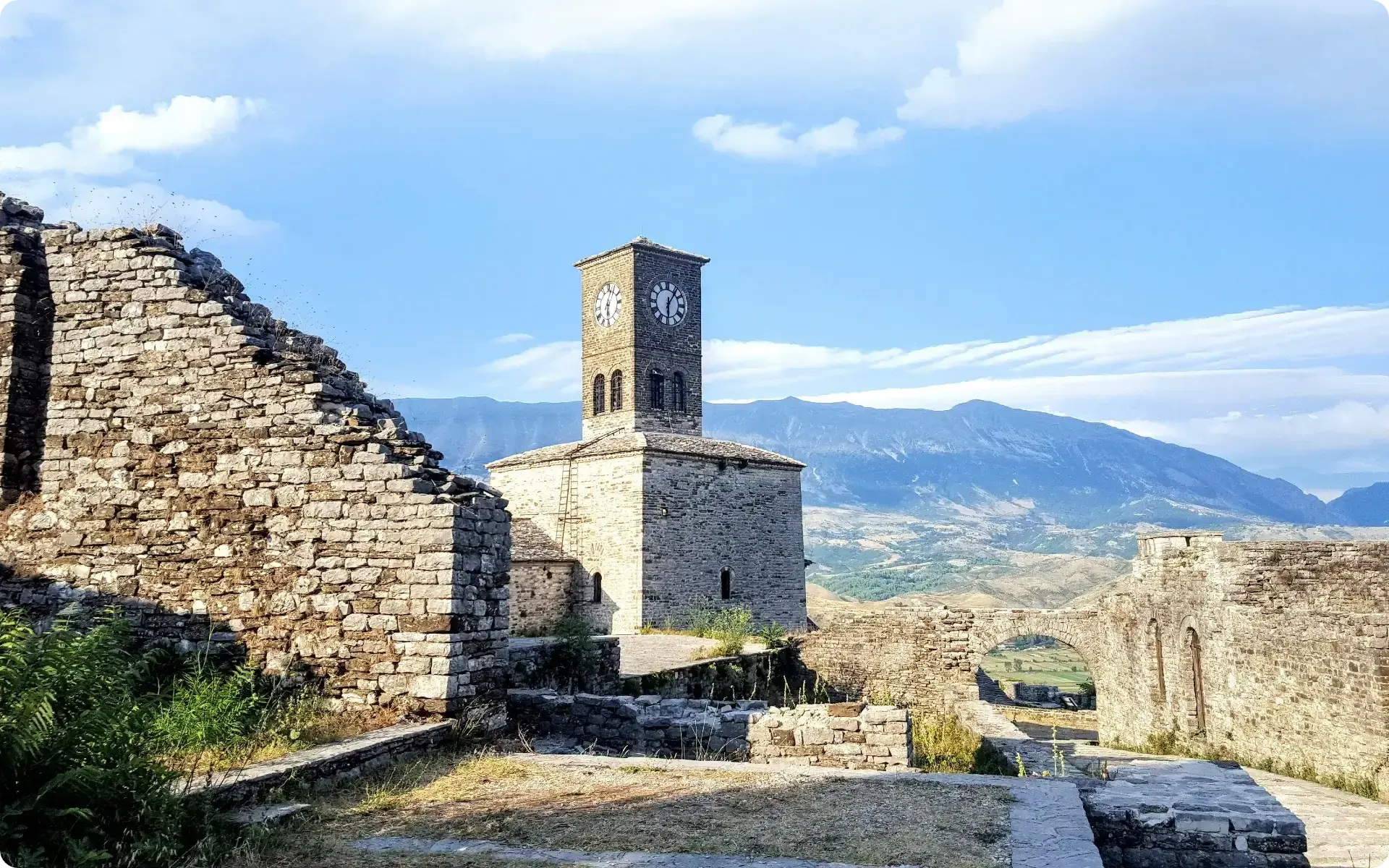
Some older buildings carry cultural protection status.
You can absolutely still buy them.
But pay attention here.
Any future renovations or exterior changes require strict government approval.
If you plan to heavily remodel an older stone house, verify its protection status before you sign anything.
Can I buy this property?
Select a property type below to see your legal purchasing rights as a foreign investor.
Now you know your legal rights.
And you know exactly what restrictions to avoid.
But what exactly should you buy?
Not all property types make good investments. Some rent out faster. Some appreciate better.
And some come with hidden maintenance headaches.
Here is exactly how to choose the right one:
2. Property types foreigners can and cannot buy
Now you know your legal rights.
You know exactly what restrictions to avoid.
But what exactly should you buy?
This is where many foreign investors make a massive mistake.
They buy a property based purely on emotion or vacation memories.
And they ignore the actual investment fundamentals.
Not all property types in Albania perform the same way.
Some appreciate rapidly in growing coastal cities.
Others offer steady, high rental yields right in the capital.
And some come with hidden maintenance nightmares that drain your wallet.
You need to match the property type directly to your financial goals.
Keep reading to discover which property type is your perfect match.
Apartments and Condominiums
This is the most popular choice for foreign buyers.
Apartments offer a straightforward path to ownership.
You buy the unit.
You share the common areas.
And you pay a monthly fee for building upkeep.
Here is the deal.
Newer buildings in city centers or along the coast rent out fast.
They require minimal hands-on maintenance.
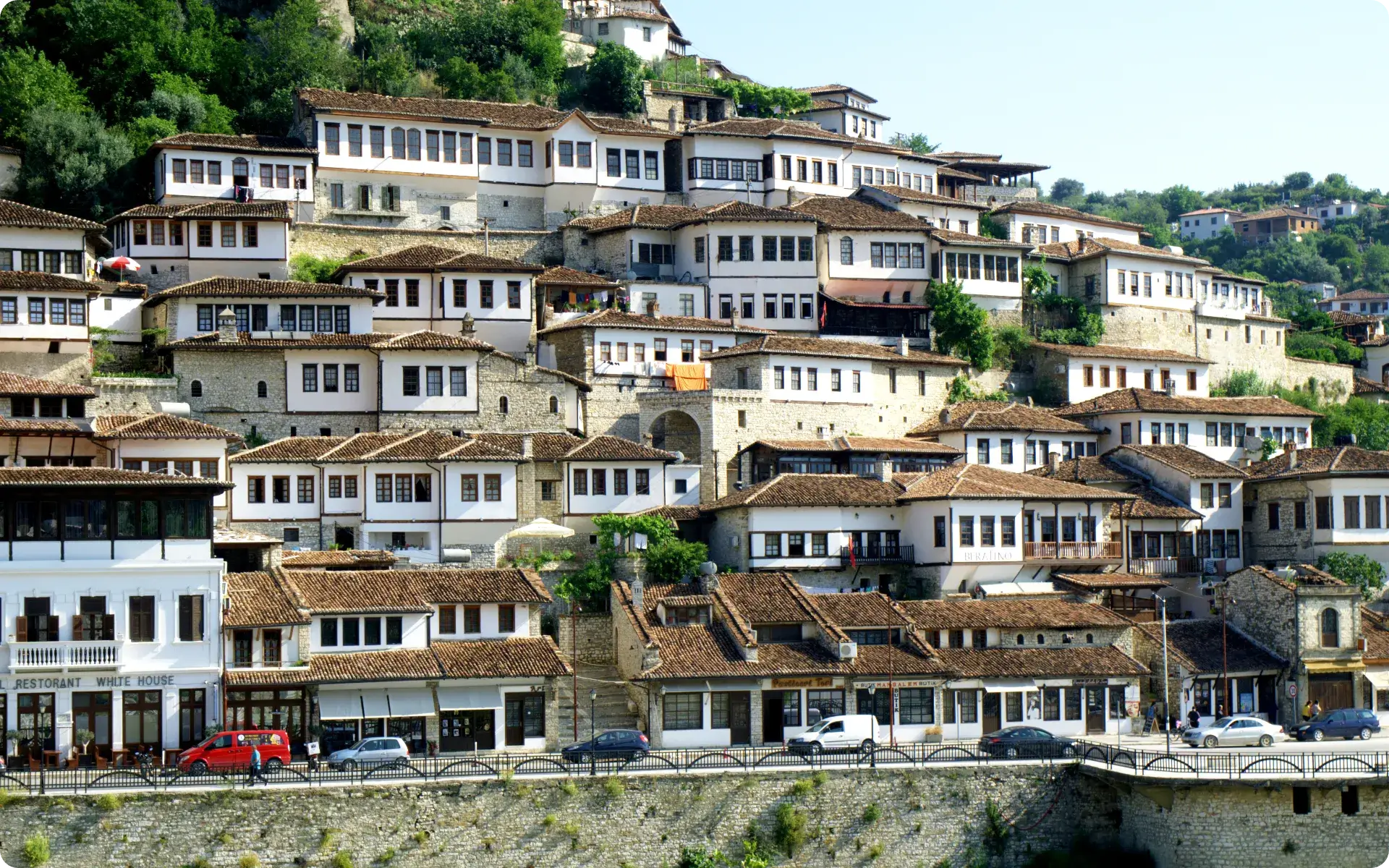
This makes them perfect if you live abroad most of the year.
But there is a catch.
Older communist-era buildings might look incredibly cheap.
But they often lack elevators.
The common areas might be neglected.
And maintenance funds are sometimes non-existent.
Best for: First-time buyers, absentee landlords, and investors seeking reliable rental income.
Houses and Villas
This option gives you space and total control.
You own the building and the land underneath it.
There are no shared walls.
And there are no neighbors making noise upstairs.
Here is why buyers love them.
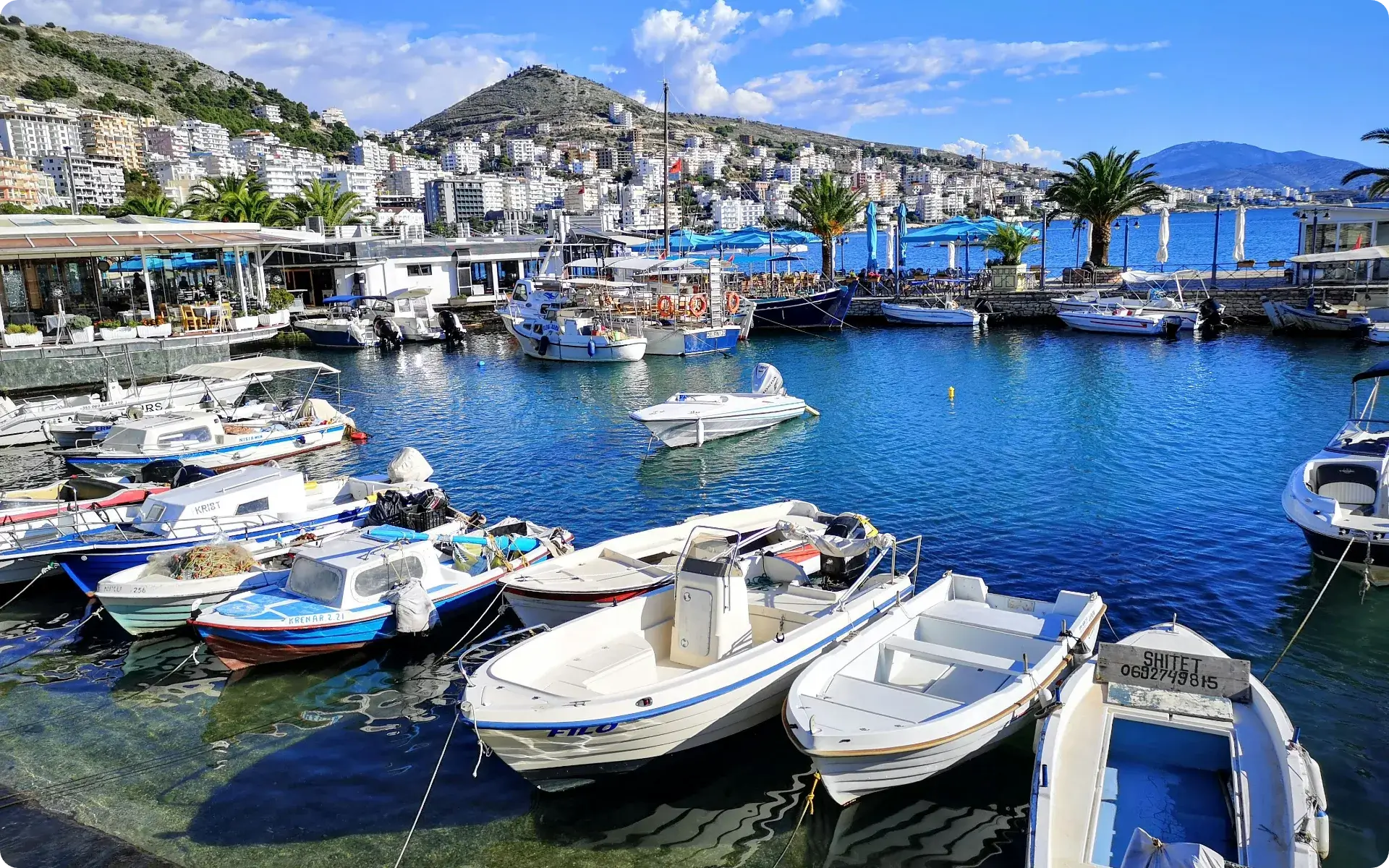
A standalone house gives you the freedom to renovate, expand, or build a pool.
You dictate the rules.
But pay attention here.
Owning a house means 100% of the maintenance falls on you.
If the roof leaks, you fix it.
If the security alarm goes off, you handle it.
It requires a reliable property management team (like us at Consul) if you are not in Albania full-time.
Best for: Retirees, large families, and buyers planning to live in Albania long-term.
Commercial Real Estate
This category is built for pure ROI.
We are talking about retail shops, office spaces, and warehouse facilities.
The Albanian economy is growing.
And businesses need physical space to operate.
Here is the good news.
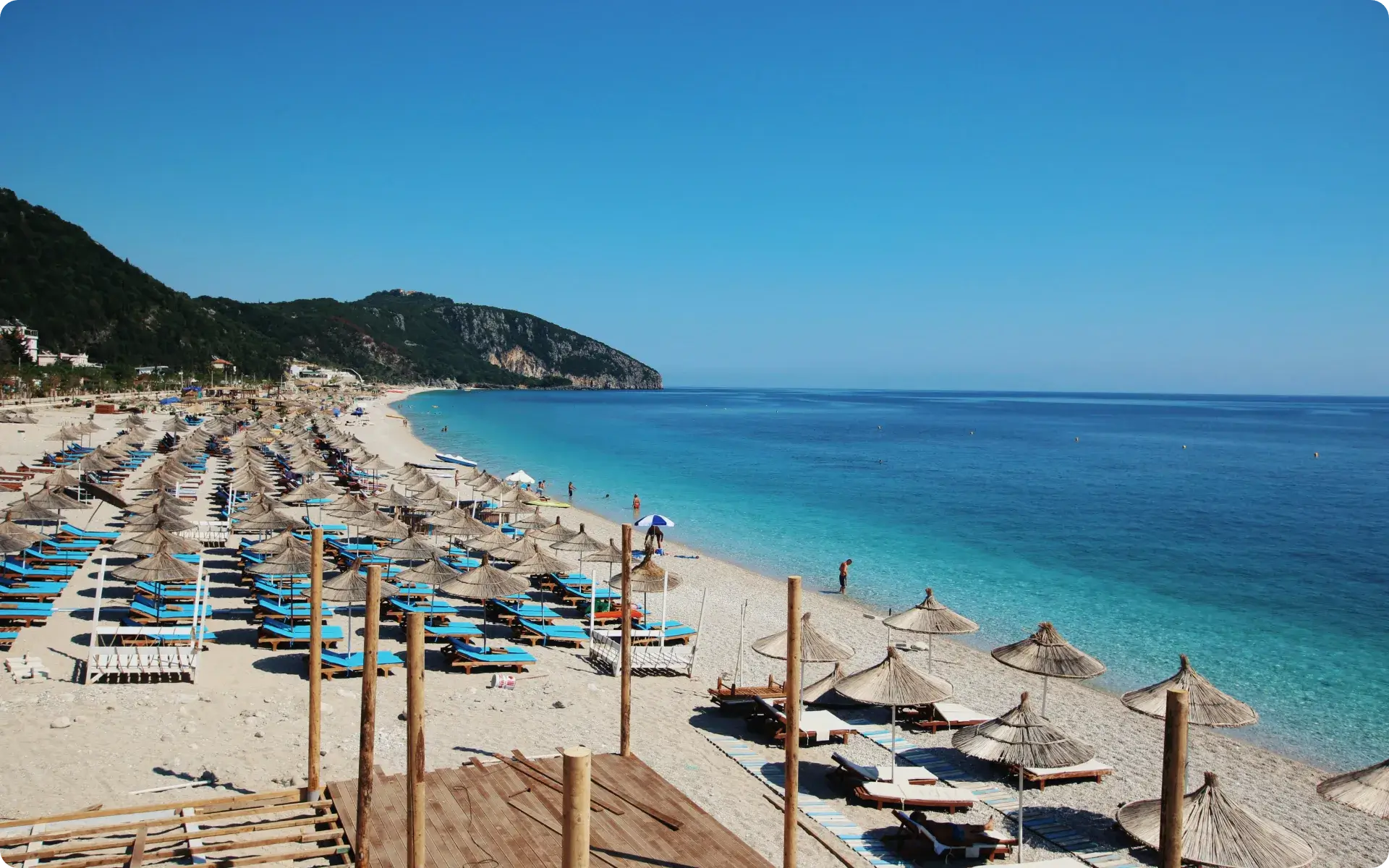
Commercial tenants usually sign long-term leases.
They handle their own interior fit-outs.
And the rental yields often beat residential properties.
The downside?
Economic downturns hit commercial spaces harder.
If a business fails, finding a replacement tenant takes much longer than finding a new apartment renter.
Best for: Experienced investors and foreign business owners expanding into the Albanian market.
Land Investments
Buying raw land is a high-reward, high-risk game.
Foreigners usually look at two types of land.
These are building plots and agricultural land.
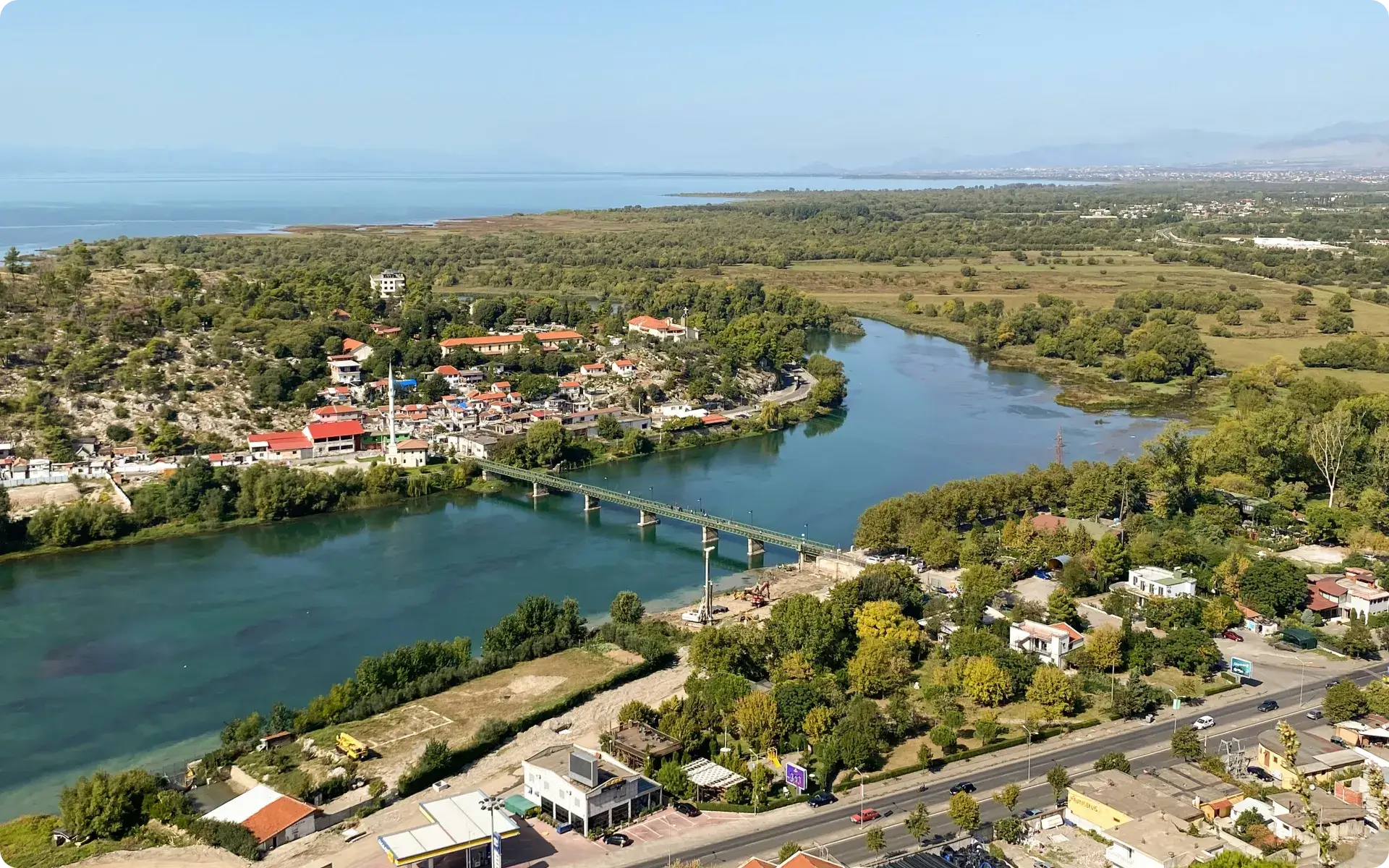
Let me explain the difference.
Building land allows you to construct a custom home or an apartment block.
But you must secure proper zoning permits before pouring concrete.
Never buy a plot without verifying its designated building status first.
Agricultural land offers massive potential for farming or eco-tourism.
Remember the legal restriction from the first section?
You cannot buy it as an individual.
Here is a pro tip.
Foreigners cannot buy agricultural land in their own name. But there is a straightforward legal workaround most buyers do not know about.
Register a local Albanian Limited Liability Company (Shoqeria me Pergjegjesi te Kufizuar / SHPK). That entity can purchase farmland, vineyards, and rural plots with zero restrictions. Formation takes as little as 48 hours.
Once your business is formed, that entity can legally purchase farmland.
We handle business formation at Consul, so we guide investors through this exact process regularly to secure these assets.
Best for: Custom home builders, developers, and agricultural investors.
Which investment fits your strategy?
Apartments
Villas / Houses
Commercial Space
Agricultural Land
Now you know exactly what type of property fits your goals.
But how do you actually buy it?
The Albanian purchase process is strictly regulated.
It requires specific steps to guarantee your money is safe and ensures the title deed transfers legally.
Here is the exact 7-step process from your first offer to holding the final keys:
3. The 7-Step Property Buying Process in Albania
You found the perfect property.
It fits your budget.
And it checks all your investment boxes.
Now comes the most critical part.
Actually buying it without getting scammed.
The Albanian purchasing process is completely different from the US or UK.
Everything revolves around the Notary Public.
Make one wrong move with your deposit, and your money could be gone forever.
But do it right, and the process is incredibly safe and transparent.
We help foreign buyers navigate this exact process every single day at Consul.
Let me walk you through the exact 7 steps to safely close your deal.
Step 1: The Reservation Agreement
When you find a property you love, you need to lock it down.
The market in Tirana and coastal cities moves fast.
To take the property off the market, you sign a reservation agreement.
This usually requires a small deposit (known locally as a kaparo).
Here is the deal.
The deposit is usually around 5% to 10% of the purchase price.
Or it might be a flat fee of €2,000 to €5,000.
This gives you a 2 to 4-week window to complete your legal checks.
Step 2: Legal Due Diligence
This is the most important step in the entire process.
Albania’s property registry has known data quality issues.
You must verify the property’s legal status at the State Cadastre Agency (ASHK).
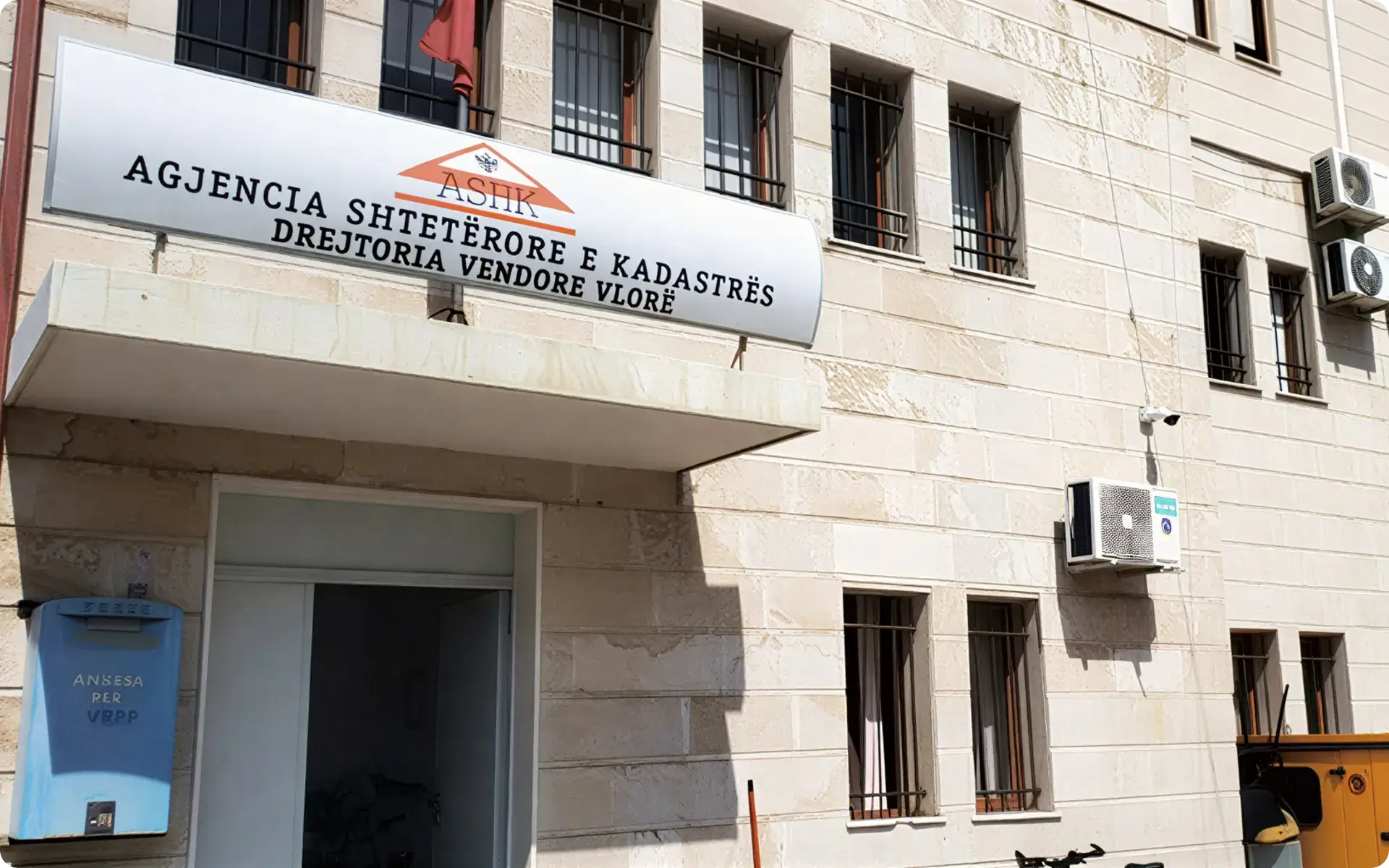
You are checking for three specific things:
Clear ownership (no hidden heirs).
Proper construction permits.
Zero outstanding mortgages or liens.
Do not skip this.
We always recommend using our legal team at Consul or an independent lawyer to verify the Vërtetim Pronësie (Title Deed) before you sign anything else.

Who does what during the deal?
The Albanian buying process relies heavily on specific legal roles. Select a party below to see their exact responsibilities.
Step 3: The Preliminary Contract
Are you buying a new build that is still under construction?
Then you will sign a Preliminary Contract.
This legally binds the developer to finish the building on time.
And it outlines your stage payment schedule.
But pay attention here.
If you are buying an existing, ready-to-move-in apartment, you can skip this step entirely.
You move straight to the final contract.
Step 4: The Final Contract of Sale
This is where the deal becomes legally binding.
In Albania, you do not use title companies.
Everything happens in front of a Notary Public.
The Notary is a state-appointed official who guarantees the legality of the contract.
Both the buyer and the seller must sign the final Kontrata e Shitblerjes (Contract of Sale) in their presence.
What if you are not in Albania?
No problem.
You can easily grant a Power of Attorney (POA).
This allows a trusted representative (like your agent at Consul) to sign the documents on your behalf.
Step 5: The Escrow Transfer
Never send money directly to the seller’s personal bank account.
Instead, you transfer your funds into the Notary’s escrow account.
This is called a Llogari e Bllokuar (blocked account).
This protects you.
The Notary holds your money safely.
They only release the funds to the seller after the property is officially registered in your name.
Step 6: State Cadastre Registration
After everyone signs, the Notary takes over.
They submit the signed contract to the Immovable Property Registration Office.
The official registration process usually takes 15 to 30 days.
Step 7: The Handover
Once the registration is complete, the Notary releases the funds to the seller.
And you receive your official Certificate of Ownership.
The property is now 100% yours.
You get the keys. You transfer the utilities.
And you are officially a property owner in Albania.
Do not navigate the process alone.
A single paperwork mistake can delay your purchase for months. From property search to title deed, business formation to residency permits. We guide you through every step.
Response within 24 hours
Now you know exactly how to buy the property.
But what will it actually cost you?
The purchase price is only part of the equation. There are hidden notary fees, transfer costs, and taxes you must budget for.
Here is the exact breakdown of the costs and taxes you need to know before you buy:
4. Property Costs and Taxes (2026 Breakdown)
You found the perfect property and negotiated a great price.
But the purchase price is never the final price.
Hidden fees and unexpected taxes catch many foreign buyers completely off guard.
Do not let a surprise closing cost ruin your investment budget.
Let me show you exactly what to expect in 2026.
The Notary Fee
In Albania, the Notary Public is the most important person in your transaction.
They draft the contracts. They hold the escrow funds.
And their fees are strictly regulated by the state.
Here is the deal.
Notary fees are calculated based on the property purchase price.
They operate on a sliding scale. The more expensive the property, the lower the percentage.
For a standard €100,000 apartment, expect to pay around 0.25% to 0.35% in notary fees.
Plus a 20% VAT applied only on the notary’s specific service fee.
The Property Transfer Tax
This is the best part of buying in Albania.
As the buyer, you pay zero transfer tax.
Let me repeat that.
The buyer pays 0% in state transfer taxes.
Here is why.
By Albanian law, the seller is 100% responsible for the capital gains or transfer tax.
You only pay for the property itself and the administrative closing fees.
Agency Fees
Using a licensed real estate agent protects your investment.
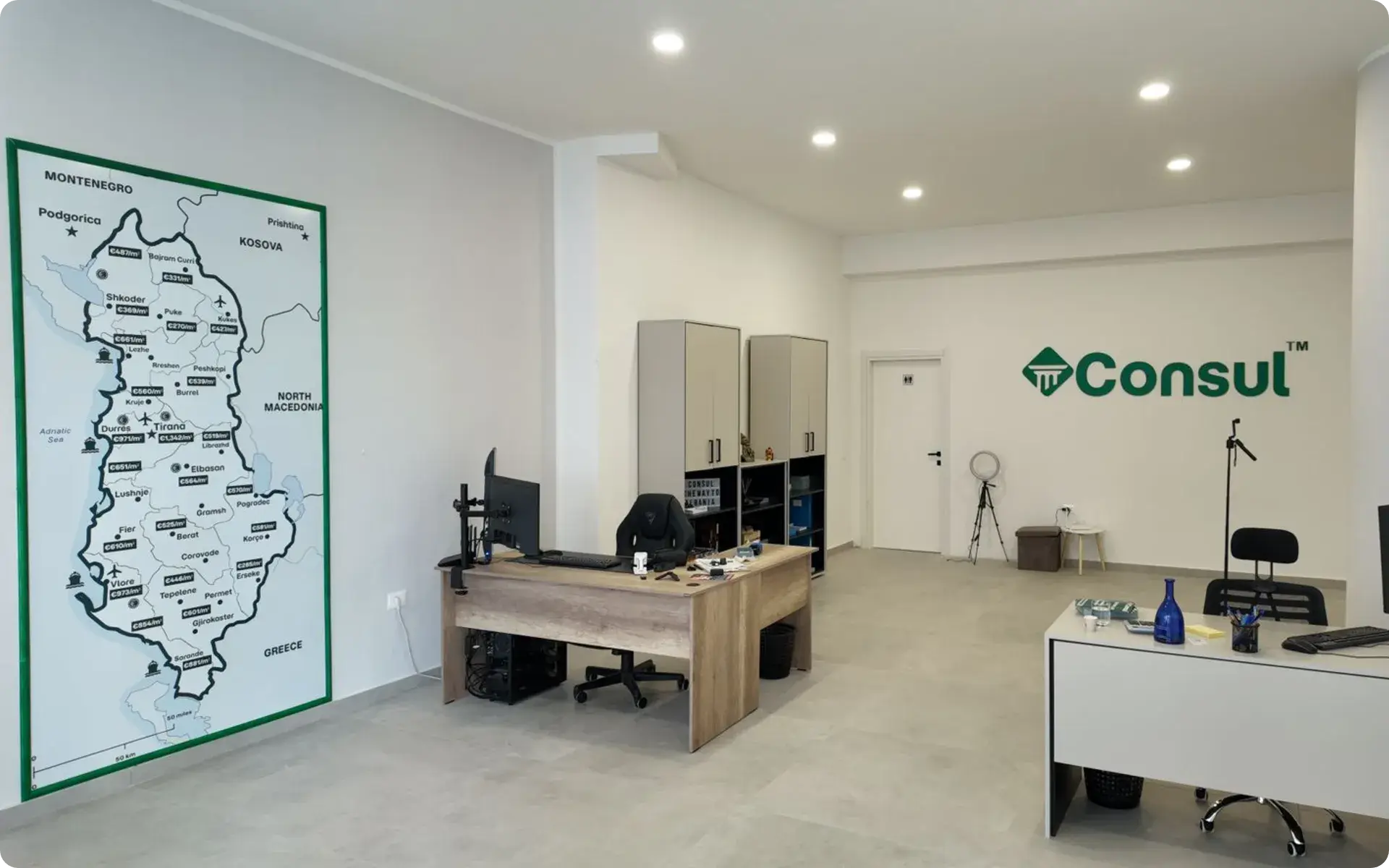
We handle the negotiations, the due diligence, and the entire closing process here at Consul.
What does it cost?
The standard real estate commission in Albania is 1% to 3% for the buyer.
But pay attention here.
Always confirm if the quoted property price includes the agency fee or if it is billed separately.
We always keep this completely transparent from day one.
Cadastre Registration Fee
After you sign the final contract, the property must be registered in your name.
This happens at the State Cadastre Agency (ASHK).
The good news?
The registration fee is incredibly low.
It usually costs a flat fee of around €30 to €50.
If you want the process expedited, you can pay double for priority fast-track registration.
Ongoing Annual Property Taxes
Once you own the property, you must pay annual taxes.
But they will not break the bank.
Albania has some of the lowest property taxes in Europe.
For residential properties, the annual tax is usually 0.05% of the property value.
For commercial properties, it sits around 0.2%.
This means a €100,000 apartment will cost you roughly €50 per year in state property taxes.
Now you know exactly what it costs to buy.
Calculate Your Closing Costs
Adjust the property price to see your exact fees. No hidden surprises.
What you would pay in other countries:
You have your budget locked in.
But what paperwork do you actually need to bring? Missing a single apostille or translation can delay your purchase for weeks.
Here is the exact legal document checklist you need to bring to the Notary in 2026:
5. Required Documents to Buy Property in Albania
You have the money.
You found the perfect property.
But without the right paperwork, your deal will hit a brick wall.
The Albanian real estate process is strictly bureaucratic.
Miss a single stamp, and the Notary will instantly reject your contract.
Here is the exact legal document checklist you need to close your deal safely in 2026.
Documents You Need to Provide
As a foreign buyer, your paperwork requirements are surprisingly simple.
You do not need an Albanian ID card or a local residency permit.
But the documents you do bring must be flawless.
1. A Valid Passport
This is your primary identification.
Your passport must be valid for at least six months beyond your purchase date.
A standard driver’s license or national ID card from your home country will not work at the Notary.
2. A Family Certificate
Albanian family law applies to property purchases.
If you are married, the Notary needs to know. You must provide a Certificate of Family Composition or a Marriage Certificate.
Here is why.
If you are married, the property is usually registered in both names by default.
If you want to buy it solely in your name, your spouse must sign a notarized declaration agreeing to the solo purchase.
3. Proof of Funds
Albania has strict anti-money laundering laws.
You cannot buy a property with a suitcase full of physical cash.
You must prove where your money came from. A simple bank statement or a letter from your bank is usually enough.
4. Power of Attorney (Optional)
What if you cannot fly to Albania to sign the final contract?
No problem.
You can sign a Special Power of Attorney in your home country.
This gives a trusted representative (like our legal team at Consul) the legal right to sign the final contract on your behalf.
Everything You Need to Close Your Deal
Missing a single document can delay your purchase for weeks. Use this checklist to ensure you have everything ready.
Valid Passport
Pasaporta e Vlefshme
Must be valid for at least 6 months beyond your purchase date. Driver's licenses are not accepted.
Family Certificate
Certifikata Familjare
Marriage certificate or family composition document. Required if married as property registers in both names by default.
Proof of Funds
Dëshimi i Fondeve
Bank statement or letter proving fund source. Albania has strict anti-money laundering laws and cash purchases are not allowed.
Power of Attorney
Prokurë e Veçantë
Optional. Allows a representative to sign on your behalf if you cannot be in Albania for the final contract.
Certificate of Ownership
Vërtetim Pronësie
Official title deed proving seller ownership. Must be current as old paper copies are not enough. Verify at State Cadastre.
Property Card
Kartela e Pasurisë
Legal history document showing exact square meters, registered address, and all legal owners. Name must match exactly.
No Encumbrances Certificate
Vërtetim Negativ
Proves property is free of debt, mortgages, unpaid taxes, or legal disputes. Most critical document and never skip this.
Get Documents at Home
Obtain passport, family certificate, and proof of funds from your home country authorities.
1-2 weeksApostille Stamp
Get Apostille certification from your home government. This validates documents internationally.
3-7 daysTranslate in Albania
Documents must be translated by a state-certified Albanian translator after arrival.
1-2 daysLocal Notarization
Final notarization in Albania. Your team or Consul handles this before the final contract.
Same dayPro Tip: We handle the entire translation and legalization process for our foreign buyers at Consul to prevent any closing delays.
Need help preparing your documents?
Contact Our TeamDocuments You Must Demand from the Seller
Providing your own documents is only half the battle.
You must also verify the seller’s paperwork before you hand over a single Euro.
Pay attention here.
Never sign a reservation agreement without seeing these three specific documents first.
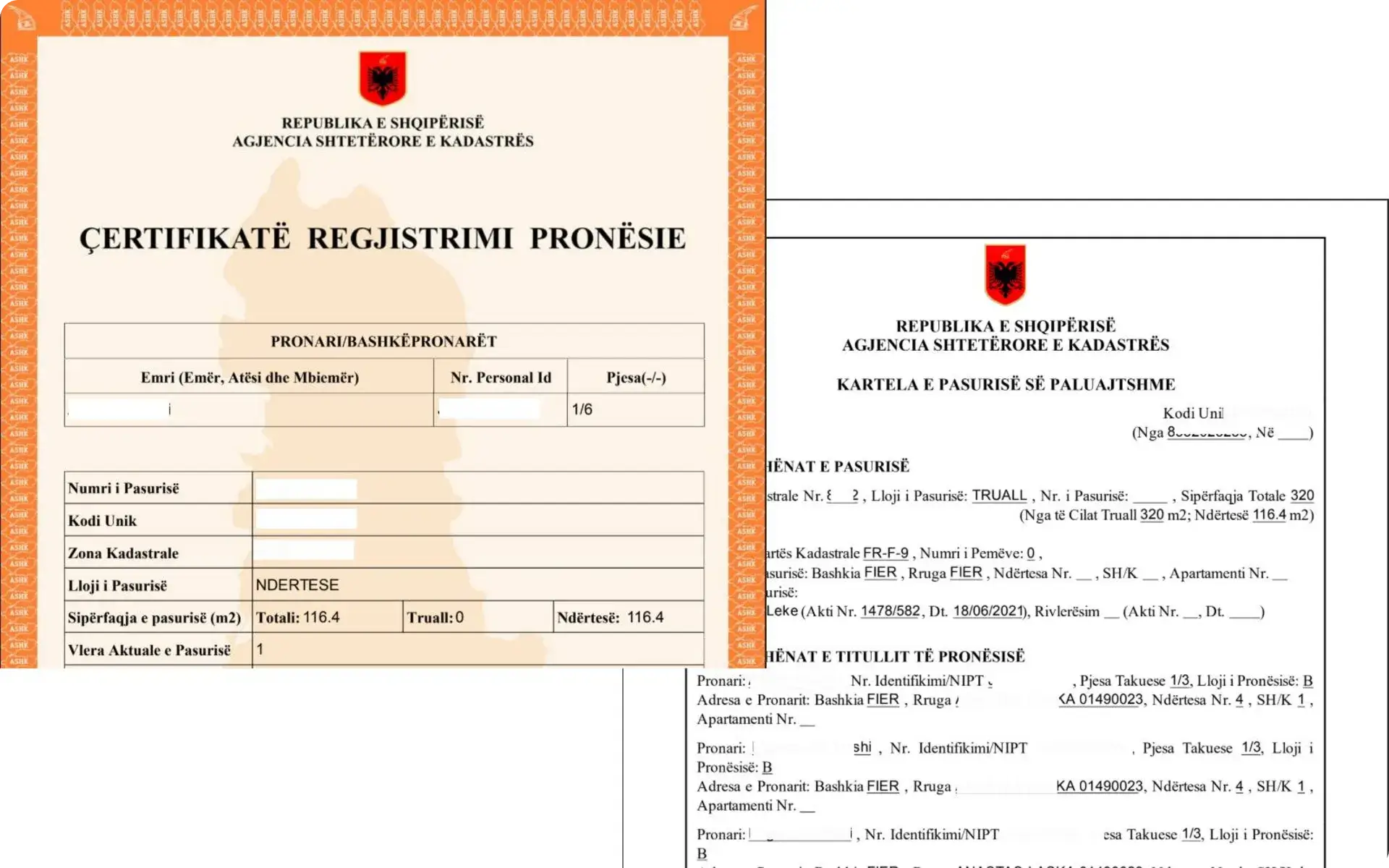
1. The Certificate of Ownership (Title Deed)
In Albanian, this is called the Vërtetim Pronësie.
It proves the seller actually owns the property.
But seeing an old paper copy is not enough. You must verify the digital record at the State Cadastre Agency to ensure the deed is current.
2. The Property Card
This is called the Kartela e Pasurisë.
It details the exact legal history of the property.
It shows the total square meters, the registered address, and the names of all legal owners.
If the seller’s name does not match the Property Card exactly, walk away.
3. The Certificate of No Encumbrances
This is the most critical document of all.
Also known as a Vërtetim Negativ, this official document proves the property is free of debt.
It confirms there are no hidden mortgages, unpaid taxes, or legal disputes attached to the property.
The Translation and Apostille Rule
If you bring documents from your home country, they must be legally recognized in Albania.
Here is the deal.
You cannot just bring an English or German marriage certificate to the Notary.
It must carry an Apostille stamp from your home government.
Once it arrives in Albania, it must be translated into Albanian by a state-certified translator and notarized locally.
We handle this entire translation and legalization process for our foreign buyers at Consul to prevent any closing delays.
Now you have your paperwork ready.
Your funds are prepared. And the seller has shown you their title deed.
Is it time to sign?
Not quite.
The Albanian real estate market has incredible opportunities. But it also hides serious risks.
Here are the 7 biggest red flags that cost foreign buyers thousands (and exactly how to avoid them):
6. Red Flags to Avoid When Buying Property
The Albanian real estate market offers incredible opportunities.
But it also hides serious risks for foreign investors.
Make one of these mistakes, and your investment becomes a legal nightmare.
This section reveals the 7 biggest red flags that cost buyers thousands.
Let us dive in.
1. Buying Unregistered Property
This is the number one mistake foreign buyers make.
Many older properties in Albania are not registered with the State Cadastre Agency.
The seller might show you old court decisions or privatization papers.
Do not fall for it.
If the property does not have an official, updated Vërtetim Pronësie (Certificate of Ownership), you cannot legally buy it.
You will not be able to register it in your name. And you will not be able to sell it later.
2. Paying the Seller Directly
Never transfer funds directly to a seller’s personal bank account.
This is a massive red flag.
If a seller demands direct payment before the final contract is registered, walk away immediately.
Here is the safe way.
Always use the Notary’s official escrow account (the blocked account).
The Notary holds your money safely. They only release the funds to the seller after the property is officially registered in your name.
3. Ignoring Hidden Heirs
Family structures in Albania are tight-knit.
And property is often passed down through multiple generations without formal will updates.
Here is the problem.
The person selling you the house might only own a fraction of it.
If three siblings inherited a property, all three must sign the final contract.
If one sibling is living abroad and does not sign, your purchase is completely invalid.
Always demand the Notary verify the entire inheritance chain on the Property Card.
The 3 mistakes above cause most failed purchases. Verify each one before you continue.
4. Buying Illegal Construction
Albania had a period of rapid, unregulated building in the early 2000s.
Many houses and apartment additions were built without permits.
Pay attention here.
The government is actively cracking down on illegal constructions. They can even order demolitions.
Before you buy a standalone house or a top-floor apartment extension, verify its legalization status (known as ALUIZNI status).
If the legalization process is not 100% finished, do not buy it.
5. Unpaid Utility Debts
In Albania, utility debts stay with the property.
They do not follow the previous owner.
What does this mean for you?
If the seller has not paid their water or electricity bills for five years, you inherit that debt the moment you sign the contract.
The utility companies will refuse to turn on your power until you pay the previous owner’s balance.
Always demand official “Zero Debt” certificates from the local water and electricity boards before closing.
6. Fake “Off-Plan” Developers
Buying an apartment before it is built (off-plan) offers great discounts.
But the risk is significantly higher.
Some developers start construction, run out of money, and leave the building as an empty concrete shell for years.
Here is how you protect yourself.
Only buy off-plan from developers with a proven track record.
Verify their building permits. Check their financial standing. And ensure your stage payments are tied directly to construction milestones.
7. Skipping Independent Due Diligence
Do not rely solely on the seller’s real estate agent to check the property.
The seller’s agent works for the seller. They want the commission.
You need your own team.
Have you verified these 7 risks on your property?
Tick each item you have personally confirmed. Your deal safety score updates in real time.
Have unverified risks? Our team can check every item for you.
Get Free VerificationNow you know exactly what to avoid.
You are ready to buy safely.
But what happens after you get the keys?
For many foreign investors, buying a property is the first step toward living in Albania full-time.
Here is exactly how your new property connects to your Albanian Residency Permit in 2026:
7. Residency Permit Through Property Investment
Buying property in Albania does not automatically hand you a passport.
But it does unlock one of the easiest residency pathways in Europe today.
This section reveals exactly how your new property connects to your legal residency in 2026.
Keep reading.
Because if you plan to live in Albania long term, your property deed is your most valuable asset.
The “No Golden Visa” Reality
Let me clear up a massive misconception right now.
Albania does not have a traditional “Golden Visa” program. You cannot simply wire €500,000 and receive an instant passport in the mail.
Here is how it actually works.
The Albanian Law on Foreigners provides a specific legal pathway for property owners. Owning residential real estate is a recognized legal basis for a Type D long-stay visa and a temporary residence permit.
It proves you have a registered address. It shows financial stability. And it proves you have a tangible connection to the country.
The 3 Rules for Property Residency
Not every property qualifies for a residence permit.
If you buy an empty plot of land, immigration will reject your application. To use your property for residency in 2026, you must meet three strict conditions.
1. No Minimum Price Requirement
This is the biggest advantage Albania has over Spain or Greece. There is absolutely zero minimum investment threshold required by law. You can buy a €40,000 studio or a €500,000 villa. The immigration office treats them exactly the same.
2. The 50% Ownership Rule
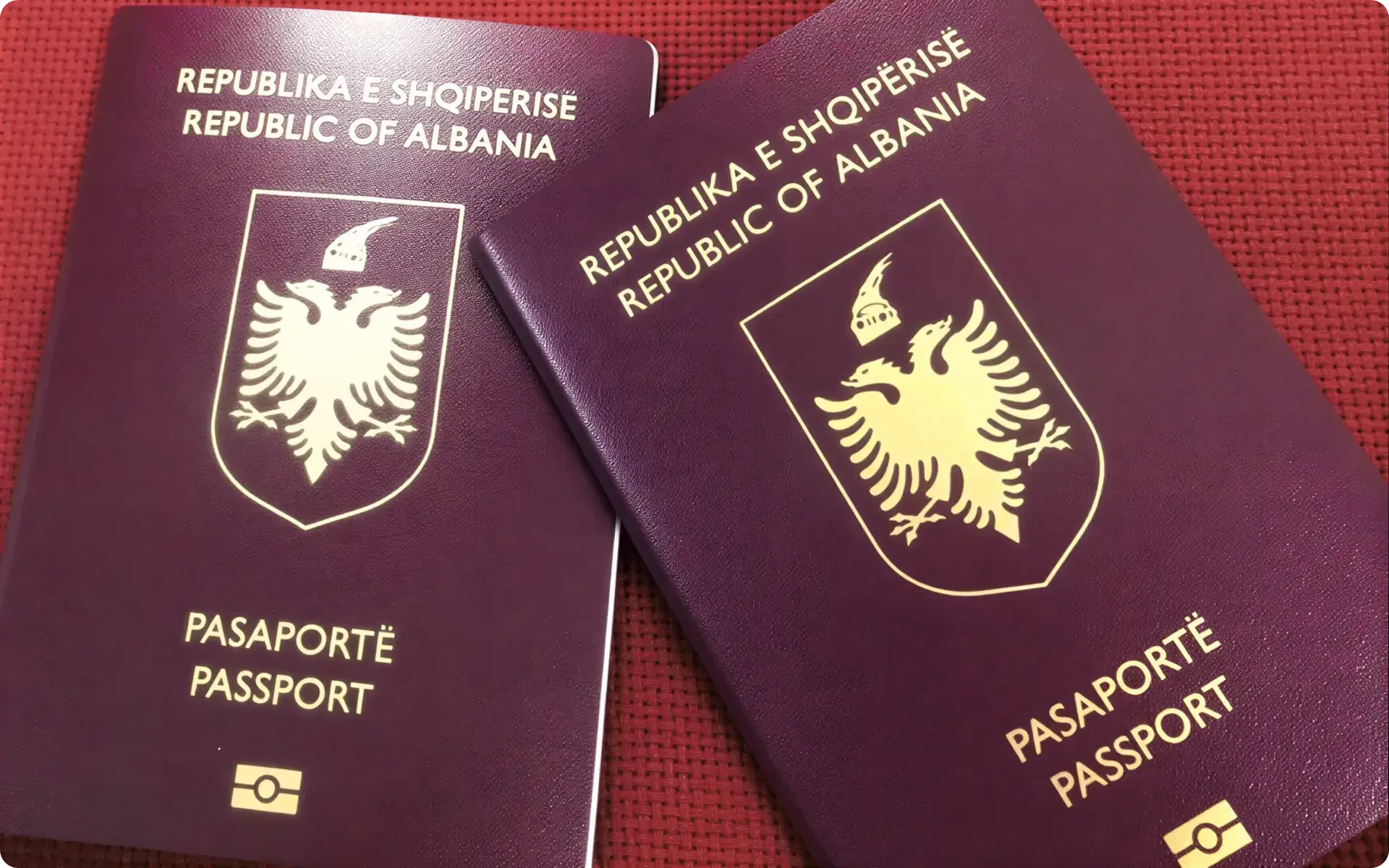
You do not have to be the sole owner of the property. But your name must be on the Vërtetim Pronësie (Title Deed). And you must legally own at least 50% of the asset to qualify as the primary applicant.
3. It Must Be Livable
Your property must be classified as residential. It must have a minimum of 20 square meters of living space per person. And it must be fully finished and suitable for year-round habitation.

From Property Owner to Permanent Resident
Your journey to Albanian residency starts with a property deed. Here is exactly what to expect at each stage.
Purchase any residential property in Albania. No minimum investment required. Own at least 50% of the asset and ensure it meets the 20m² per person livability standard.
Submit your property deed to the immigration office. Apply for a long-stay Type D visa as the legal basis for residency.
Receive a 1-year temporary residence permit, renewed annually as long as you maintain property ownership. Live, work, and travel freely.
After 5 years of continuous legal residence, apply for permanent residency. No more annual renewals, and the full citizenship pathway opens.
Ready to start your residency journey? Our team handles the entire process, from property purchase to permit approval.
Get Residency ConsultationAlbania
Portugal
Greece
Spain
Family Reunification
Once you secure your residence permit, your entire family can join you in Albania through family reunification. Only one person needs to be the primary property investor.
The Timeline to Permanent Residency
So, how long does the permit last?
Here is the standard timeline.
When you apply using your property deed, the government will issue a 1-year temporary residence permit. Before this permit expires, you must renew it. As long as you still own the property and spend the required time in the country, you can renew this permit every single year.
But it gets better.
After five years of continuous, legal residence in Albania, everything changes. You become eligible to apply for Permanent Residency. And after those five years, you can also start the pathway to full Albanian citizenship through naturalization.
What About Your Family?
You might be wondering about your spouse and children.
Here is the good news.
Only one person needs to be the primary property investor. Once you secure your residence permit through the property, your immediate family can apply for residency through the Family Reunification pathway.
Now you know the legal rules.
You know the costs, the documents, and the residency benefits.
But where exactly should you put your money?
Different cities offer completely different returns on investment.
Here are the absolute best locations for foreign buyers (comparing Tirana, Durrës, and Vlora for maximum ROI):
8. Best Locations for Foreign Buyers in Albania
Location drives your investment returns.
Here is how Tirana, Durrës, and Vlora compare on price and yield in 2026.
Keep reading.
Because picking the right city is the difference between a profitable rental and an empty apartment.
Tirana: The Capital for ROI

Tirana is the economic engine of Albania.
It does not rely on summer tourists. It has year-round demand from expats, students, and young professionals.
Here is the deal.
If you want consistent, 12-month rental income, Tirana is your safest bet.
The entry prices are higher here. But the tenant pool is massive and highly reliable.
Tirana
The Economic Engine of Albania. Year-round rental demand from expats, students, and professionals.
Best Neighborhoods:
Blloku: The most expensive and premium lifestyle area.
Komuna e Parisit: Highly popular with expat families.
Astir: Budget-friendly with strong growth potential.
Durrës: The Accessible Coast
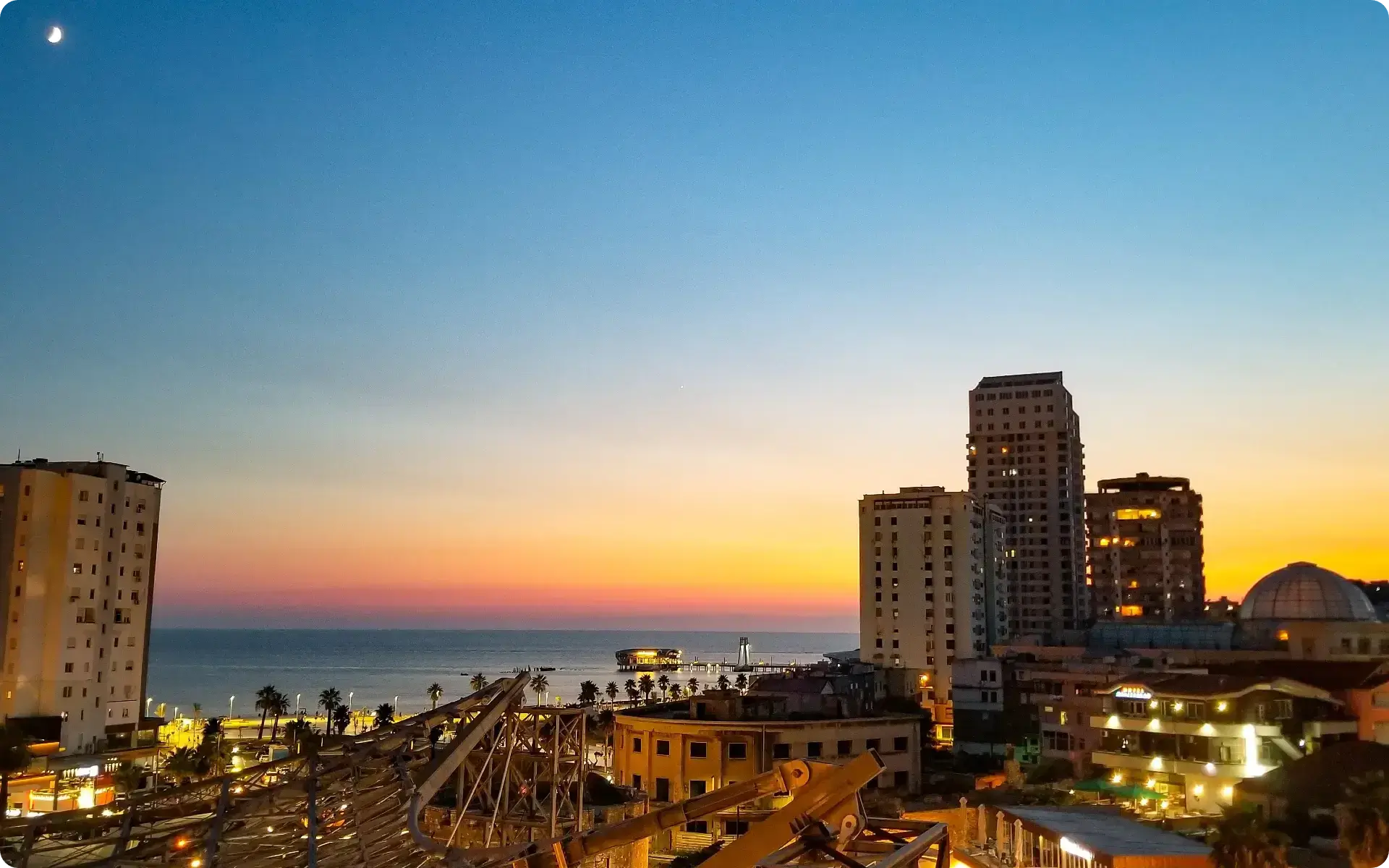
Durrës is the second largest city in the country.
And it sits just 30 minutes from the Tirana International Airport.
This is huge.
It makes Durrës perfect for a weekend getaway or an easy-to-manage summer rental. You literally land and drive straight to the beach.
Durrës
Albania's Premier Coastal Destination. Strong summer rental demand with year-round residential appeal.
But pay attention here.
The Durrës market is highly seasonal. Your apartment might sit empty from November to April if you rely entirely on tourists.
Best Neighborhoods:
Plazhi: Busy, tourist-heavy, and very affordable.
Golem: Resort-style living with newer apartment blocks.
Qerret: Premium area known for luxury villas and quiet beaches.
Vlora: The Riviera Gateway
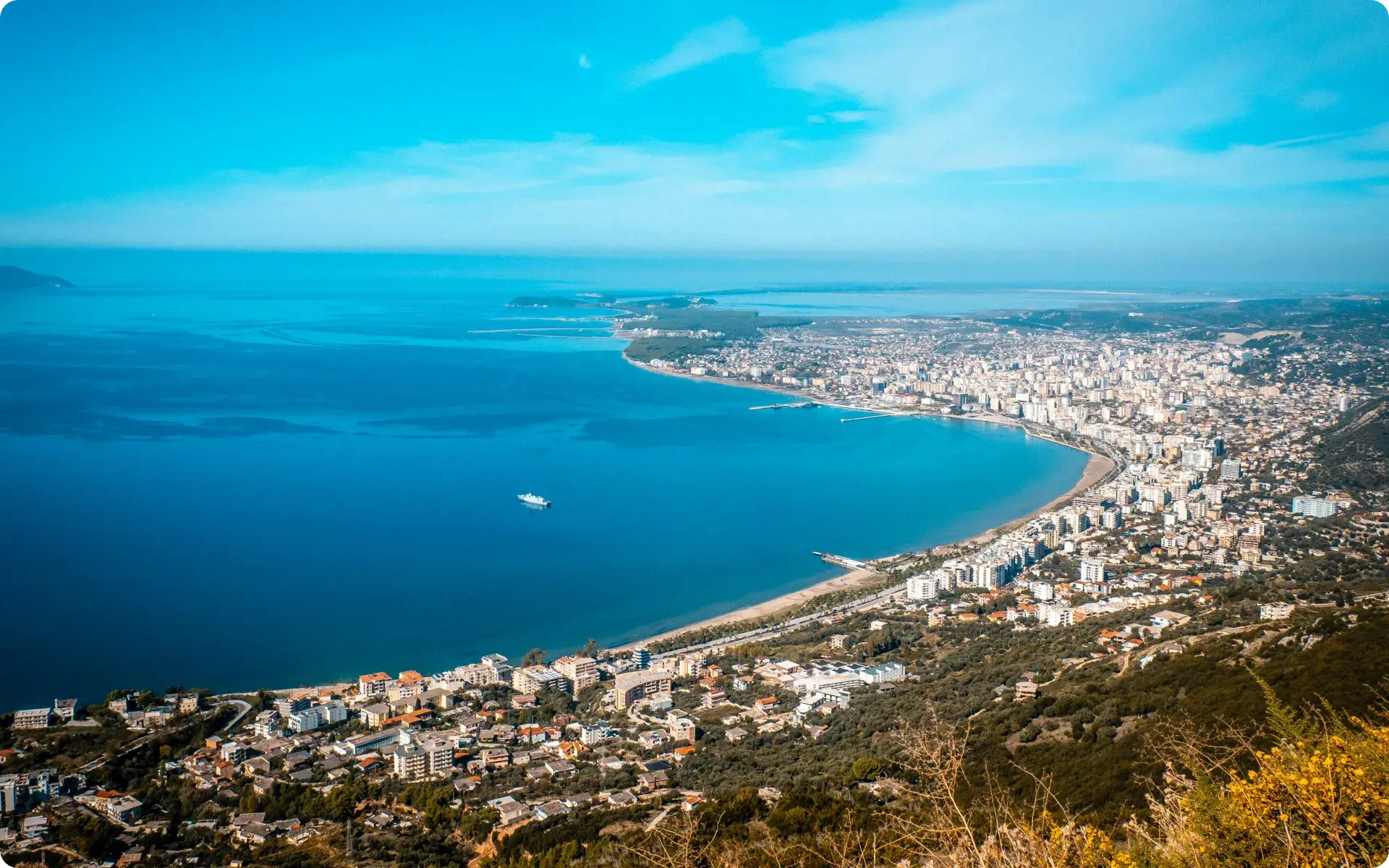
Vlora is experiencing a massive boom right now.
The government is actively building a new international airport here. And they recently finished a world-class marina.
Here is what that means.
Property values in Vlora are appreciating faster than anywhere else in the country. It is transitioning from a local beach town to an international destination.
Vlorë
Albania's Historic Coastal Hub. Strong summer tourism with growing year-round residential appeal.
Best Neighborhoods:
Lungomare: The premium, high-demand beachfront promenade.
Radhime: Quiet, scenic, and slightly south of the city noise.
Orikum: An affordable, laid-back marina lifestyle.
Saranda and Ksamil: The Southern Hotspots
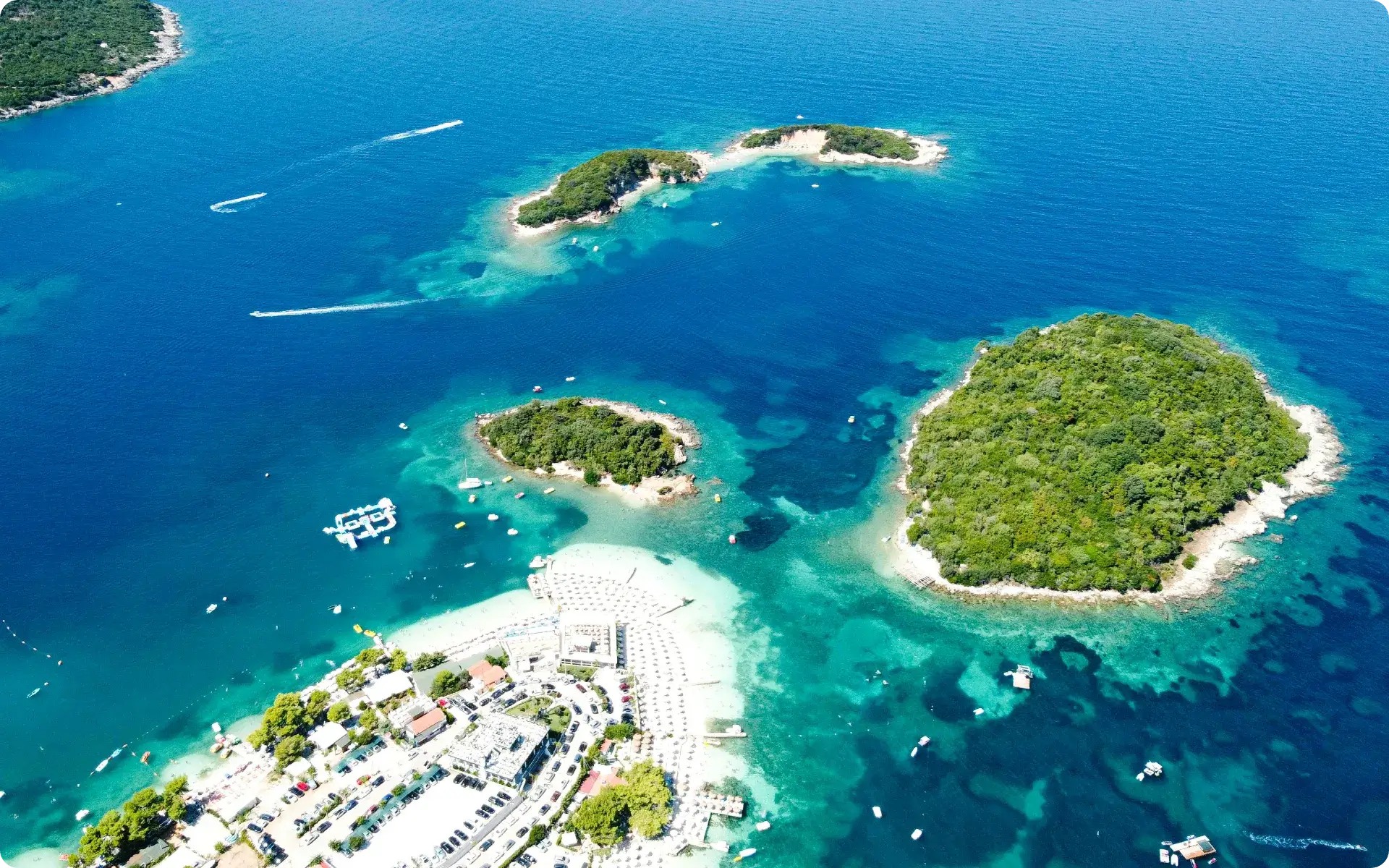
These towns sit at the very bottom of the Albanian Riviera.
They are located right across the water from the Greek island of Corfu.
Here is the good news.
Summer rental yields here are incredibly high. International tourists flood the area from June through September.
The downside?
It is a long drive from Tirana. And the towns practically shut down in the winter. It is strictly a seasonal play.

Sarandë & Ksamil
Albania's Premier Tourist Destination. Strong summer rental demand with Blue Flag beaches and growing international appeal.
City Comparison Data
Let me summarize the data for you.
Pay attention here.
Because this table shows exactly what to expect from each market in 2026.
Albania's Top Investment Regions
Side-by-side analysis of property prices, rental yields, and investment potential across Albania's most popular real estate markets.
Tirana
Year-round rental demand from expats, students, and professionals. Highest ROI potential in Albania with consistent occupancy and strong capital appreciation.
Durrës
Premier coastal destination just 33km from Tirana. Strong summer tourism drives high short-term rental returns, with growing year-round residential appeal.
Vlorë
Historic coastal hub where the Adriatic meets the Ionian Sea. A new international airport is dramatically boosting accessibility and driving rapid price appreciation.
Sarandë & Ksamil
Albania's premier tourist hotspot with Blue Flag beaches and views of Corfu. Commands the highest property prices and best short-term rental premiums in peak season.
You now have the complete roadmap.
You know the laws, the costs, the legal red flags, and the exact locations to target.
But you probably still have questions. Most foreign buyers do.
Here are the most frequent questions investors ask us at Consul before they wire their funds:
9. Frequent Questions About Buying a Property in Albania
You have the complete roadmap.
You know the laws, the costs, and the exact locations.
But making an international investment is a huge decision.
And you probably still have a few specific questions on your mind.
Here are the most frequent questions foreign investors ask us at Consul before they wire their funds.
Let us dive in.
Can foreigners get a mortgage in Albania?
Yes, but it is not easy.
Albanian banks do offer mortgages to non-residents, but they require strict income verification and heavy paperwork.
Here is the deal.
If you apply as a foreigner without local residency, expect to put down a 25% to 40% deposit.
Because of these strict lending rules, the vast majority of foreign buyers in Albania simply pay in cash or use financing from their home country.
Do I pay in Euros or Albanian Lek?
You pay in Euros.
Even though the local currency is the Lek, the Albanian real estate market operates almost entirely in Euros.
Your property price, your Notary escrow transfer, and your final contract will all be calculated in Euros.
How long does the buying process take?
It is much faster than you think.
If your funds are ready and the property documents are perfectly clean, you can sign the final contract in two to four weeks.
The final Cadastre registration takes another 15 to 30 days.
Can I open an Albanian bank account?
Yes. You do not need a residency permit to open a local bank account.
A valid passport and a proof of address from your home country are usually enough to get set up.
Why do you need one?
While you can buy the property using your home bank, a local account makes paying annual taxes and monthly utility bills much easier.
Can I manage a rental from abroad?
Absolutely.
Thousands of foreign investors run successful long-term rentals and Airbnb businesses from overseas.
But there is a catch.
You need a reliable local team on the ground.
We provide full property management at Consul so you never have to deal with broken pipes, tenant complaints, or lost keys while living in another time zone.
Do I need an Albanian Tax ID?
Yes, but not immediately.
You do not need an Albanian Tax ID (called a NIPT) to sign the preliminary contract.
But you will need one before the Notary can officially register the final title deed in your name.
Here is the good news.
Getting a NIPT as a foreign individual is a fast, straightforward process that your Notary or legal representative will handle for you during the closing stages.
Ready to Take the Next Step?
You are now fully equipped to enter the Albanian real estate market.
You know the pitfalls. You know the costs. And you know exactly how to protect yourself.
The next step is turning this knowledge into action.
Whether you are looking for a beachfront investment in Vlora or a high-yield apartment in Tirana, our team at Consul is ready to guide you through the entire process from start to finish.